Olympic Esports: The Future of Competitive Gaming?
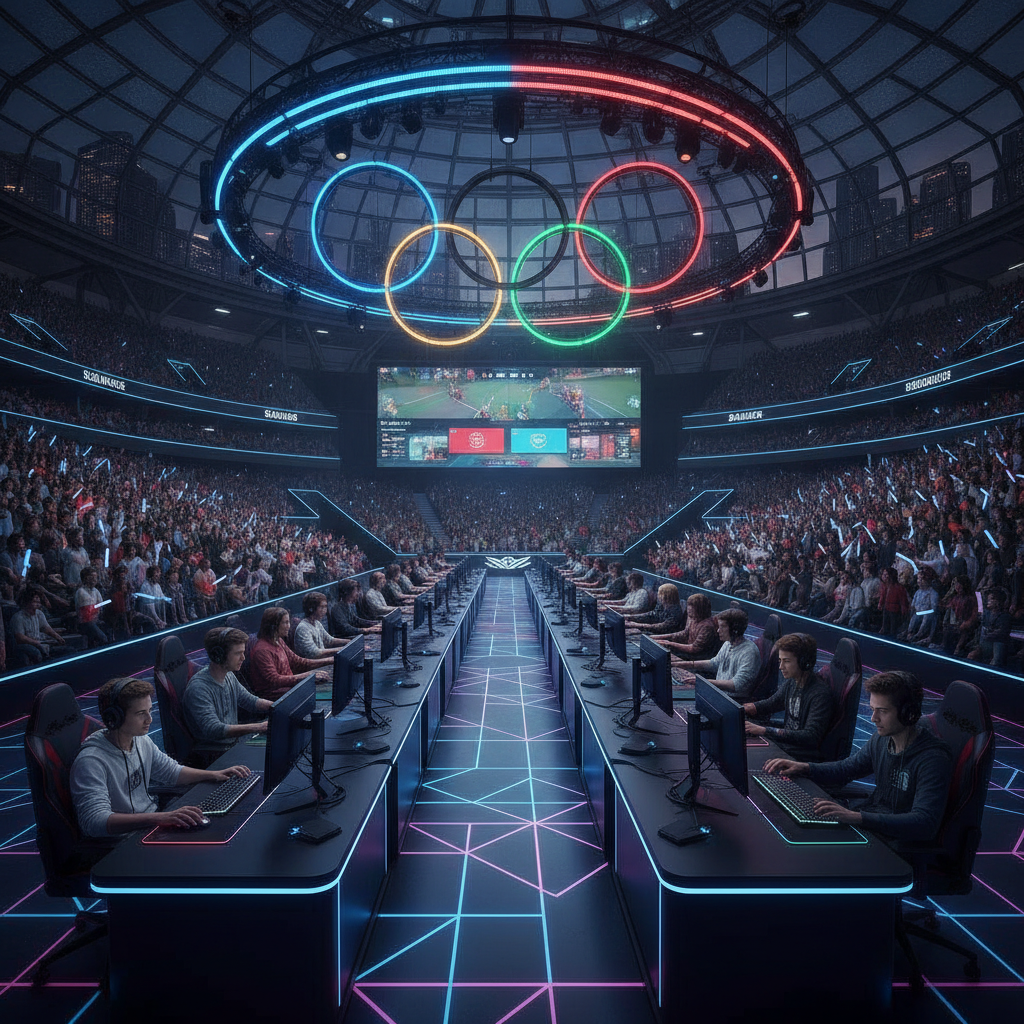
Olympic esports sits at the meeting point of international sport, digital competition, and the world’s enormous gaming culture. The concept could give esports athletes a new stage, while also forcing game publishers, tournament organizers, and the International Olympic Committee (IOC) to answer difficult questions about ownership, fairness, health, and sporting values.
Esports already includes professional leagues, publisher-led championships, club teams, and independent esports tournaments. An Olympic framework would add another layer rather than erase those existing systems. Its importance would depend on how carefully competitions are designed and whether players and fans see the format as credible.
What Is Olympic Esports?
Olympic esports refers to organized competitive gaming presented within, or closely connected to, the Olympic Movement. It would apply Olympic-style standards such as international representation, qualification, athlete conduct, competition rules, and anti-cheating controls to selected digital sports.
The term does not automatically mean that every popular video game belongs in the Olympic Games. Competitive gaming covers radically different formats, from tactical shooters and multiplayer online battle arenas to sports simulations, strategy titles, racing games, and mobile esports. Each format has its own rules, communities, business model, and technical requirements.
An Olympic esports event could therefore look different from a conventional esports league. Players might compete for national teams instead of permanent clubs, follow a limited tournament schedule, and qualify through regional pathways. The competition could prioritize clear match rules and international access over the year-round storytelling used by major commercial leagues.
That distinction matters. A publisher championship promotes a specific game and its ecosystem. An Olympic-style event would need to represent a broader idea of digital sports, even though each contest would still depend on a privately owned game.
Why Esports Is Being Considered for the Olympic Movement
Esports is being considered because it combines a vast global gaming audience, organized competition, digital-first production, and strong appeal among younger fans. Those qualities give the Olympic Movement a reason to study competitive gaming, although consideration should not be confused with guaranteed or permanent inclusion.
Professional esports already has many features associated with modern sport. Players train for hours, work with coaches and analysts, follow rulebooks, compete in structured seasons, and perform under intense pressure. Major events attract international audiences through livestreaming platforms, broadcast partners, social media, and in-game viewing tools.
Esports also offers a direct connection to digital participation. A fan can watch a match on a phone, follow statistics in real time, and sometimes play the same title immediately afterward. That short distance between spectator and participant is especially valuable to sports organizations trying to remain relevant to audiences who consume entertainment primarily through screens.
For the IOC, the appeal comes with a qualification. Olympic credibility depends on governance, athlete welfare, transparent selection, and competitive integrity. Popularity alone cannot solve questions about violent content, publisher control, gambling advertising, cheating, or the short life cycle of many games.
Research and policy discussions from organizations such as the IOC and the official Olympic esports portal illustrate why the subject requires experimentation rather than simple adoption. The future may involve carefully selected events, pilot formats, or partnerships that sit alongside the traditional Olympic program.
What Games Could Fit an Olympic Esports Framework?
An Olympic esports title would need competitive balance, international participation, accessible rules, age-appropriate presentation, and a format that can be governed reliably. No single genre automatically qualifies; the strongest candidates would be games whose competition is understandable, measurable, and stable.
Possible selection criteria
- Skill clarity: Results should depend primarily on decision-making, timing, teamwork, precision, or strategy rather than uncontrolled randomness.
- Competitive balance: Regular patches should not suddenly invalidate preparation, and no platform or region should receive an unfair technical advantage.
- International reach: Players from multiple regions need meaningful access to servers, ranked systems, coaching, and qualification events.
- Age suitability: The game’s content, advertising, and presentation should work within a family-oriented international sporting environment.
- Operational reliability: Tournament clients, spectator tools, anti-cheat systems, and offline modes must function under high-stakes conditions.
- Long-term stewardship: Game publishers must be willing to support rules, licensing, updates, and data access for the event’s full life cycle.
Sports simulations may appear intuitive because their rules resemble established physical sports. Yet a digital version can still raise questions about licensing, annual releases, input devices, and whether the game rewards genuine tactical skill or familiarity with a particular software version.
Strategy and racing formats may offer strong spectator structure, while team-based games can showcase communication and coordinated decision-making. Fast action titles may attract viewers but require careful review of content and presentation. The practical test is simple: can a new viewer understand the objective, trust the result, and see why the winner prevailed?
The Role of Mobile Gaming in Olympic Esports
Mobile gaming could expand Olympic esports by lowering hardware barriers, reaching regions with limited access to gaming PCs, and making competition easier to enter and watch. Mobile platforms also introduce serious design questions involving touch controls, device performance, connectivity, and tournament fairness.
A PC or console competition usually assumes access to specialized hardware, peripherals, and a stable venue. Mobile esports can use devices that millions of people already own. That does not make participation free, but it can reduce the first barrier to entry and support wider grassroots qualification.
Mobile competition works best when the game is designed around short sessions, readable interfaces, and consistent performance across approved devices. Tournament organizers may need standardized phones, locked graphics settings, controlled refresh rates, and local network testing. Without those safeguards, frame-rate differences, battery limits, thermal throttling, or touch-screen latency could affect results.
Mobile games can also support cross-region participation through online qualifiers. A player might practice in a local community, compete in a national ladder, and progress to a regional event without traveling during every stage. That convenience improves reach, although online play still depends on server locations, latency, language support, and reliable internet access.
Touch controls create a distinctive competitive skill set. They can reward rapid finger movement, spatial awareness, resource management, and the ability to read a compact interface. The important question is not whether mobile games imitate PC esports. It is whether they offer a fair, deliberate competitive system of their own.
Benefits for Players, Fans, and the Gaming Industry
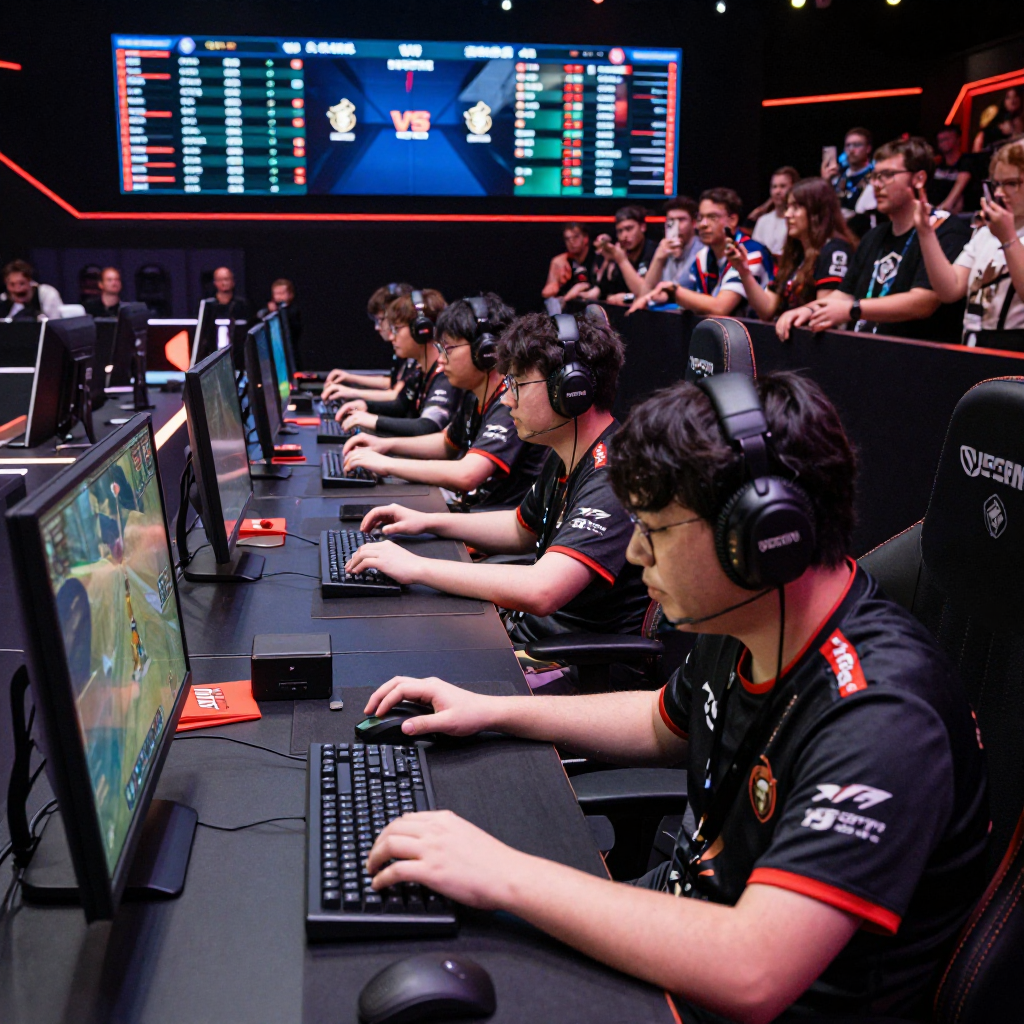
Olympic esports could benefit players through greater athlete recognition, fans through national narratives and accessible viewing, and the gaming industry through stronger event standards. These gains would depend on fair selection and durable cooperation rather than the Olympic label alone.
For esports athletes
National representation could give elite players a different identity from their club or publisher team. It may also encourage better qualification systems, player contracts, coaching support, travel standards, and formal protection for competitors. Recognition matters because many esports athletes still operate in careers shaped by short contracts and rapidly changing titles.
For fans
An international tournament can make familiar games feel newly relevant. Rivalries based on regions or countries offer a simple storyline for casual viewers, while dedicated fans can evaluate drafting, tactics, mechanics, and adaptation at the highest level. Centralized production may also improve commentary, replays, accessibility features, and multilingual coverage.
For publishers and organizers
Game publishers could gain mainstream visibility, new audiences, and a respected international showcase. Organizers could develop stronger standards for officiating, anti-cheat enforcement, broadcast operations, and player welfare. The trade-off is control: sharing authority with an Olympic body may limit a publisher’s freedom to change rules, branding, monetization, or the game itself during the competition cycle.
Olympic esports could also encourage investment in community pathways. School, university, and regional competitions might become more structured. Still, participation should not be marketed as a guaranteed career route. Professional gaming remains selective, and an Olympic event would represent only a small portion of the wider competitive ecosystem.
Key Challenges Facing Olympic Esports
The main challenges are publisher ownership, changing game technology, competitive integrity, governance, player welfare, inclusivity, and the cultural differences between commercial games and traditional sports. Solving these issues would require contracts and institutions that remain credible when commercial interests conflict with sporting priorities.
Ownership and changing titles
A traditional sport’s basic rules do not belong to one company in the same way that a video game’s code, characters, trademarks, servers, and broadcasts do. Publishers can retire a title, alter its balance, restrict licensing, or release a replacement. An Olympic agreement would need clear provisions for updates, intellectual property, data, and what happens if a game loses its audience.
Competitive integrity and governance
Cheating can involve software tools, account sharing, match manipulation, unauthorized coaching, hardware exploits, or deliberate network abuse. Effective Olympic esports would need independent testing, consistent penalties, secure tournament clients, transparent appeals, and chain-of-custody procedures for match data.
Governance is equally complex. The IOC, national Olympic committees, international federations, publishers, tournament operators, and player representatives may all hold different responsibilities. If one party controls eligibility, rules, broadcasts, and discipline, conflicts of interest become difficult to avoid.
Player welfare and inclusion
High-level competitive gaming can involve long practice schedules, repetitive strain, sleep disruption, stress, and burnout. A serious framework should set minimum rest periods, access to medical and psychological support, safeguarding policies, and reasonable competition calendars. Accessibility also includes input options, assistive technology, language access, gender inclusion, and protection from online abuse.
Commercial pressure
Sponsorship and in-game monetization can fund events, but they can also compromise the sporting presentation. Loot-box advertising, betting partnerships, aggressive promotional campaigns, and frequent product changes may sit uneasily beside Olympic values. Selecting a popular game for reach while ignoring these concerns could damage trust faster than it builds an audience.
Could Olympic Esports Define the Next Era of Competition?
Olympic esports could help define the next era of competition by connecting digital sports with international representation, but it is more likely to complement existing esports tournaments than replace them. Its success would depend on credible rules, sustainable publisher agreements, accessible mobile pathways, and genuine respect for players.
The strongest model may be a layered ecosystem. Publisher leagues can continue to provide year-round competition and game-specific expertise. Independent organizers can support local scenes and experimental formats. An Olympic event can offer a short, prestigious international championship with carefully selected titles.
That model accepts the reality of competitive gaming: there is no single esports audience, athlete profile, or ideal game. A mobile player competing through touch controls may need different support from a PC strategist, even when both deserve equal sporting respect. Accessibility should expand the field without lowering standards for fairness.
Olympic esports remains an evolving possibility rather than a settled destination. If the IOC and its partners treat it as a sport ecosystem to govern, rather than a marketing category to borrow, the format could create meaningful opportunities for esports athletes and fans. If they overlook publisher dependence, health, integrity, or inclusion, the Olympic connection may remain symbolic.
Olympic Esports FAQ
How would Olympic esports differ from regular esports tournaments?
Olympic esports would likely emphasize national representation, international qualification, standardized governance, athlete protections, and a limited event schedule. Regular esports tournaments often belong to publisher leagues, club circuits, or independent organizers with different rules and commercial goals.
Could mobile games become part of Olympic esports?
Yes, mobile games could be considered if they provide balanced competition, reliable tournament infrastructure, international access, suitable content, and standardized device conditions. Mobile esports would need rules that address latency, touch controls, battery life, and hardware variation.
What qualities should an Olympic esports title have?
A suitable title should reward identifiable skill, support fair competition, work across participating regions, offer clear spectator information, and remain operationally stable. Age suitability, inclusive access, anti-cheat protection, and publisher cooperation would also be essential.
Who governs Olympic esports competitions?
Governance would likely involve the IOC, relevant sports or esports bodies, national organizations, tournament officials, player representatives, and game publishers. The exact division of authority would need to be defined before a competition could earn lasting credibility.
What challenges could prevent esports from becoming a lasting Olympic format?
Publisher control, rapidly changing game titles, cheating, player health concerns, commercial conflicts, uneven global access, and disagreement over suitable genres could all slow adoption. These problems do not make Olympic esports impossible, but they require stronger solutions than popularity statistics alone.