The Evolution of Esports: How Competitive Gaming Went From Niche to Mainstream
Thirty years ago, competitive gaming meant showing up to an arcade with a pocketful of quarters and a reputation to defend. Today, it fills stadiums, attracts major corporate sponsors, and draws viewers who have never touched a gaming controller in their lives. The journey from basement LAN parties to global broadcast events is one of the most unexpected sports stories of the modern era.
Where It All Started: Gaming Competitions in the Early Days
Organized competitive gaming has existed since the 1970s, long before anyone called it esports. The first known video game tournament was held at Stanford University in 1972, featuring Spacewar!, and the format quietly evolved from there.
Through the 1990s, LAN parties became the proving grounds for a generation of competitive players. Gamers would haul their desktop computers to community centers or friends' basements, wire everything together, and play through the night. These weren't glamorous events — they were raw, grassroots gatherings driven entirely by passion for the game.
The first major turning point came in 1997, when the Red Annihilation tournament for Quake drew over 2,000 participants. The prize? John Carmack's Ferrari. That single event signaled something important: competitive gaming had real stakes and real audiences willing to show up for it.
South Korea played an outsized role in formalizing the scene. By the early 2000s, StarCraft: Brood War had become a genuine televised sport there, with professional players treated like celebrities and matches broadcast on dedicated cable channels. The rest of the world was watching — and learning.
The Games That Built the Foundation
Certain game titles didn't just attract players — they created entire competitive ecosystems that still define esports today. A handful of PC titles built the structural foundation that everything else grew on top of.
Counter-Strike launched in 2000 as a Half-Life mod and became the template for tactical team shooters. Its competitive scene never died — it evolved, and CS:GO remains one of the most-watched titles in the world decades later. Dota 2 and League of Legends took the multiplayer online battle arena format and turned it into a global spectator sport, with Riot Games building structured regional leagues around LoL that mirror traditional professional sports in almost every way.
Console gaming contributed its own competitive history through fighting games. Titles like Street Fighter and Super Smash Bros. built communities around the EVO Championship Series, which became the premier fighting game tournament in the world.
What these games share isn't just popularity — it's spectator clarity. The best esports titles are ones where even a casual viewer can follow the action, understand who's winning, and feel the tension. That quality separates games that become lasting competitive staples from those that fade after a season.
Streaming Changed Everything
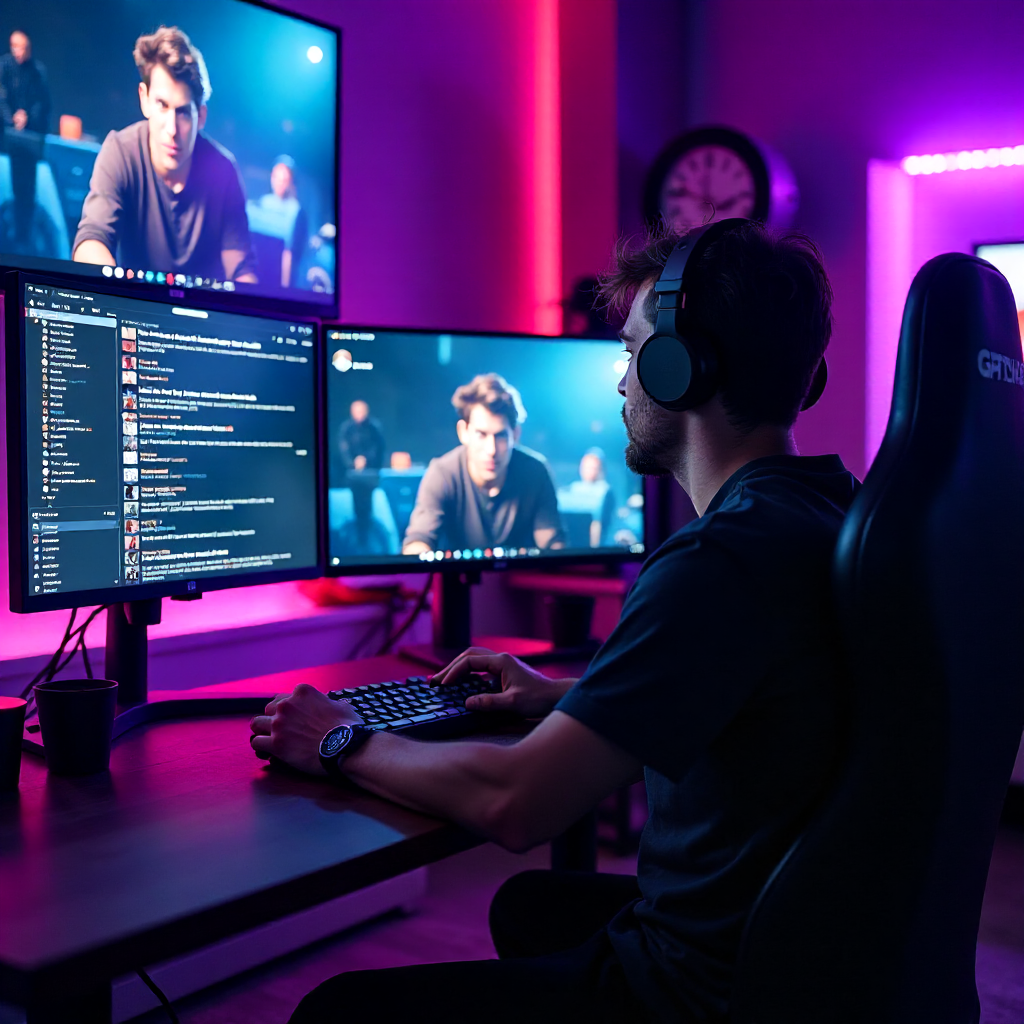
Streaming platforms like Twitch transformed esports from a live event you had to attend into something anyone with internet access could watch. That shift is arguably the single biggest reason esports broke into mainstream culture.
When Twitch launched in 2011, it gave competitive gaming its own broadcast infrastructure — one that didn't depend on traditional TV networks or sports rights deals. Players could stream their own practice sessions. Tournaments could reach global audiences without a cable deal. Fans in different time zones could watch the same event together in real time.
The numbers tell the story. The 2019 League of Legends World Championship peaked at over 100 million concurrent viewers, putting it in the same conversation as major traditional sporting events. YouTube Gaming joined the streaming space and expanded the reach further, with VOD content letting new fans catch up on entire tournament histories.
Streaming also did something traditional sports broadcasts couldn't easily replicate: it turned individual players into personalities. Fans didn't just follow teams — they followed streamers, developed parasocial relationships with players, and became invested in careers the way sports fans follow athletes. That cultural shift accelerated esports' growth more than any single tournament win.
Prize Pools, Sponsorships, and Going Pro
The financial legitimacy of esports became undeniable when prize pools started eclipsing those of established sports. Dota 2's The International tournament consistently reaches prize pools above $30 million — funded largely through crowdfunding from the player community itself, which says everything about how invested that fanbase is.
But prize money is only part of the professional picture. Sponsorships and brand partnerships are where the real commercial weight sits. Companies like Red Bull, Intel, BMW, and Louis Vuitton have all invested in esports partnerships, recognizing that the audience demographic — young, digitally native, globally distributed — is exactly who they want to reach.
Professional esports organizations now operate like traditional sports franchises. Teams such as Team Liquid, Cloud9, and Fnatic have multi-game rosters, coaching staffs, sports psychologists, and content teams. Players sign multi-year contracts, receive salaries, and in some leagues benefit from revenue sharing arrangements similar to those in professional sports unions.
Going pro in esports is still an extremely narrow path — the same is true in basketball or football. But the infrastructure now exists to support a career in competitive gaming in ways that simply weren't possible before. Coaches, analysts, talent agents, and broadcast talent have built entire professions within the esports ecosystem.
Mobile Gaming Opens the Door for Everyone
Mobile esports democratized competitive gaming by putting a tournament-ready platform in every pocket. Titles like PUBG Mobile and Free Fire didn't just port PC experiences to phones — they built massive competitive communities in regions where PC gaming had limited reach.
In Southeast Asia, South Asia, and Latin America, mobile esports isn't a secondary category — it's the primary one. Free Fire in particular became a cultural phenomenon in Brazil and across Southeast Asia, with tournaments drawing viewership that rivals the biggest PC esports events globally. The PUBG Mobile Global Championship pulls teams from dozens of countries competing for millions in prize money.
For readers who identify as casual or mobile gamers, this is the bridge between the games you already play and the broader competitive world. The mechanics you use in a ranked match on your phone are the same ones professional players train for hours a day. The difference is scale and dedication, not fundamental game knowledge.
Mobile esports also lowered the entry barrier for fans. You don't need to understand a complex PC game to appreciate the tension of a final-circle battle royale finish. That accessibility has brought entirely new audiences into the esports fold — people who follow mobile gaming the way others follow football.
Esports and Traditional Sports: Closer Than You Think
Esports and traditional sports are more structurally similar than most people outside the gaming world realize. The comparison isn't just metaphorical — it's organizational.
The League of Legends Championship Series in North America operates as a franchise league, much like the NFL or NBA. Teams purchase permanent slots, share in league revenue, and compete in a structured regular season followed by playoffs. There are promotion and relegation debates, trade deadlines, and draft combines. The vocabulary is nearly identical to what sports fans already know.
Fanbases behave the same way too. Supporters wear team jerseys, follow player transfers with genuine emotion, and debate coaching decisions online with the same intensity as any sports forum. When a legendary player retires, the tributes look and feel exactly like what happens in traditional sports.
The Olympic recognition conversation has been ongoing for years, with esports featuring as a demonstration event at the 2022 Asian Games and the International Olympic Committee exploring formats for potential inclusion. Whether esports belongs in the Olympics is debated — but the fact that the conversation is happening at that institutional level reflects how far competitive gaming has come from its LAN party roots.
What's Next: The Future of Competitive Gaming
Esports is still growing, and several developments will shape where it goes from here. The most immediate trend is the continued expansion of mobile titles and regional scenes, particularly in markets that are just beginning to build their competitive infrastructure.
New game genres are creating new competitive formats. The battle royale category reshaped the landscape when Fortnite and PUBG exploded in popularity, and games in early development today will likely define the next wave of esports viewership the way Dota 2 defined the last decade.
For casual fans and new followers, the best time to start paying attention is now — before the next major title breaks through. The gaming communities forming around today's popular games are the early audiences of tomorrow's mainstream esports scene. That's exactly how Counter-Strike started, and how League of Legends built its global following: one dedicated community at a time.
The arc from arcade cabinet to Olympic conversation took about fifty years. The next chapter will move faster.
Frequently Asked Questions
What is the difference between esports and regular gaming?
Regular gaming means playing video games for fun or personal challenge. Esports refers specifically to organized competitive gaming, where players or teams compete in structured tournaments, often for prize money, rankings, or professional contracts. Think of it like the difference between shooting hoops in a driveway and playing in the NBA.
How do esports players make money?
Professional esports players earn through several streams: salaries from their teams, prize money from tournament finishes, streaming revenue on platforms like Twitch or YouTube, and personal sponsorship deals. Top players in major titles can earn seven-figure incomes when all sources are combined, though earnings vary enormously by game, region, and competitive tier.
What are the most popular esports games right now?
The consistently dominant titles include League of Legends, Counter-Strike 2, Dota 2, and Valorant on PC, alongside PUBG Mobile and Free Fire in the mobile esports space. Battle royale and MOBA genres currently drive the largest global viewership numbers.
Can mobile gamers compete in esports tournaments?
Yes. Mobile esports has a well-developed tournament structure, especially for titles like PUBG Mobile, Free Fire, Mobile Legends, and Call of Duty Mobile. Many of these games run official regional and global championships with substantial prize pools, open qualifiers, and professional team rosters specifically built around mobile competition.
Is esports considered a real sport?
This depends on how you define sport, and the debate is ongoing. Esports requires genuine skill, strategic thinking, fast reaction times, and intense practice — qualities shared with many traditional sports. It's officially recognized as a sport in over 50 countries and was included in the Olympic program discussions. Whether it earns the label "sport" in your view probably comes down to personal definition more than competitive legitimacy.