Understanding VAR: How Technology Is Changing Soccer
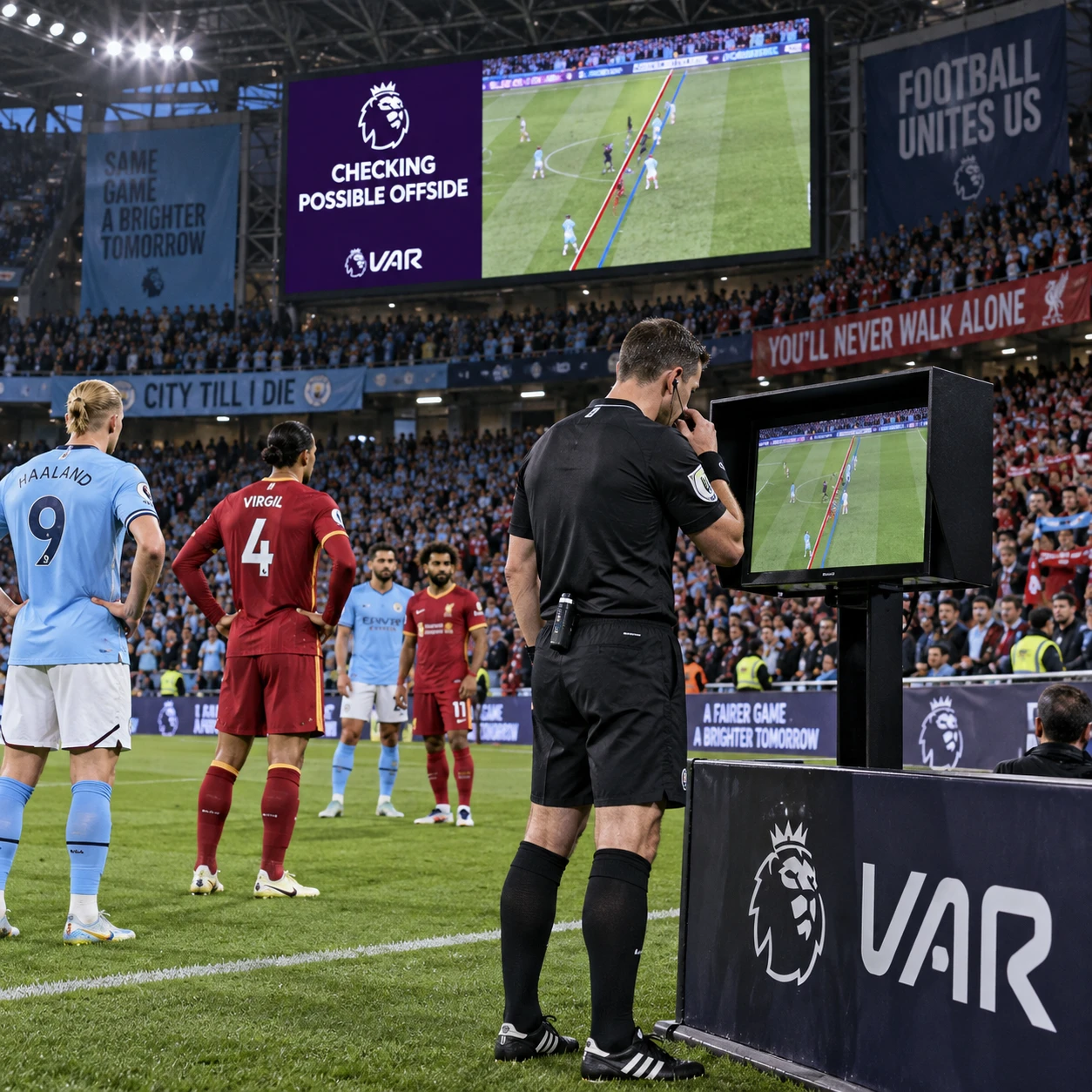
A goal goes in, players celebrate, and then the referee raises a hand. The pause can feel dramatic, but it often means the Video Assistant Referee (VAR) is checking whether a key detail changes the decision. VAR has become part of modern soccer, influencing how officials judge close calls and how fans experience matches.
Understanding the system starts with one distinction: VAR supports the on-field referee; it does not take over the match. That balance matters whether you are watching from the stands, following a broadcast, or playing a soccer mobile game that recreates decisive moments.
What Is VAR?
VAR is a video-review system that helps soccer officials check certain major decisions using match footage and replays. The on-field referee remains in charge and makes the final decision.
A Video Assistant Referee works with other officials in a video operation room (VOR), where they watch live camera feeds and can replay relevant footage from different angles. The team communicates with the referee through an audio link. The goal is to correct a clear and obvious error or a serious missed incident in specific decision areas, not to re-referee every moment.
That limit keeps authority on the pitch. The referee sees the full context, manages players, and applies the Laws of the Game. VAR can provide another view, but video does not always settle questions of judgment. A replay may clarify where contact occurred; it may not make every subjective foul decision self-evident.
VAR therefore works best as a targeted safety net. It can help when an important incident happened too quickly or was hidden from the referee’s position, while still leaving plenty of ordinary calls to the officials on the field.
How a VAR Review Works
A VAR review starts with a check of a potentially important incident, followed by advice to the referee if the video team finds a possible clear error. The referee may then accept the advice or review footage at the pitch-side monitor.
In practice, the sequence is usually straightforward:
- Check: The VAR team automatically reviews relevant incidents using available match footage. Many checks finish without stopping play or asking the referee to review a screen.
- Recommend: If the VAR believes there may be a clear and obvious error or a serious missed incident, the team tells the referee what it has found.
- Review: The referee can make a decision based on the VAR’s information alone for factual matters, or conduct an on-field review to assess footage for a decision involving judgment.
- Decide: The referee communicates the outcome and restarts play according to the decision.
Consider a possible handball before a goal. The VAR may check the footage and alert the referee to a detail that was hard to see live. If the incident involves interpretation, the referee can watch the replay personally before deciding whether the goal stands.
The process takes time because officials must identify the right incident, find useful camera angles, and determine whether the evidence meets the review threshold. A quick check can be almost invisible; a close offside line or unclear contact may require more examination. More footage does not always mean more certainty, especially when an angle is obstructed or the relevant moment is ambiguous.
Which Decisions Can VAR Review?
VAR can review decisions in four main areas: goals, penalty incidents, direct red cards, and cases of mistaken identity when a card is issued. It cannot review every referee decision during a match.
The four categories cover moments with a substantial potential effect on the game:
- Goal decisions: Officials can check whether the ball crossed the line and whether an attacking infringement, such as offside or a foul, occurred in the build-up.
- Penalty decisions: VAR can review whether a penalty should have been awarded or whether a penalty was given incorrectly, including where an incident took place.
- Direct red cards: The team can check serious incidents that may warrant a direct dismissal or a review of a direct red-card decision. A second yellow card is generally outside this review category.
- Mistaken identity: If the referee disciplines the wrong player, VAR can help identify the player who committed the relevant offence.
Offside decisions often draw the most attention because a marginal position can determine whether a goal stands. Video angles and calibrated lines can help officials assess an attacker’s position, but fans may still debate the frame selected or how a close call looks on screen. The review is about applying the relevant rule to the available evidence, not measuring a player’s intent.
VAR is deliberately not a general appeals system. A corner, throw-in, or routine foul cannot automatically be revisited just because a team disagrees. Keeping the scope narrow helps limit interruptions, though it means some non-reviewable mistakes can remain part of the match.
How VAR Changes the Match
VAR can improve the accuracy of important decisions, but it also changes match flow by adding pauses and moments of uncertainty. Its effect depends on the incident, the speed of the review, and how clearly the outcome is communicated.
For players and coaches, a review can change the emotional rhythm of a match. A celebration may be held back while a goal is checked, and a team’s tactics can shift after a penalty or red card is confirmed. Referees also face a different kind of pressure: they must make an initial call in real time, then stay open to evidence that could change it.
In the stadium, delays can frustrate fans who cannot hear the conversation between the VOR and the referee. A clear signal or announcement helps, but it may not explain every detail behind a complex decision. At home, viewers often see replays during the pause and may reach a conclusion before the officials do.
There is a real trade-off. VAR can correct an important error, yet stopping play interrupts momentum and can leave fans debating borderline calls. It also cannot eliminate mistakes; camera coverage has limits, and some decisions depend on interpretation. A practical way to assess a review is to ask three questions: Was the incident reviewable? Was there evidence of a clear error or missed event? And did the referee make the final call through the correct process?
VAR and the At-Home Fan
For at-home fans, broadcast replays make VAR reviews easier to follow by showing the incident, the officials’ review, and the eventual decision. The pictures offer useful context, although they are not necessarily identical to the footage or angles available to the VAR team.
Broadcasters may show slow motion, close-ups, offside graphics, or a referee’s pitch-side review. Each can clarify part of the decision, but a replay is still a selected view. Slow motion can make contact look more forceful, while a tight camera angle may hide a player’s position relative to others. Watching the full sequence, as well as the highlighted moment, can help put a call in context.
During a review, it helps to separate what the video can establish from what requires judgment. The footage may show where contact happened or whether a player was ahead of the last defender. Whether that contact meets the threshold for a foul is a different question for the referee.
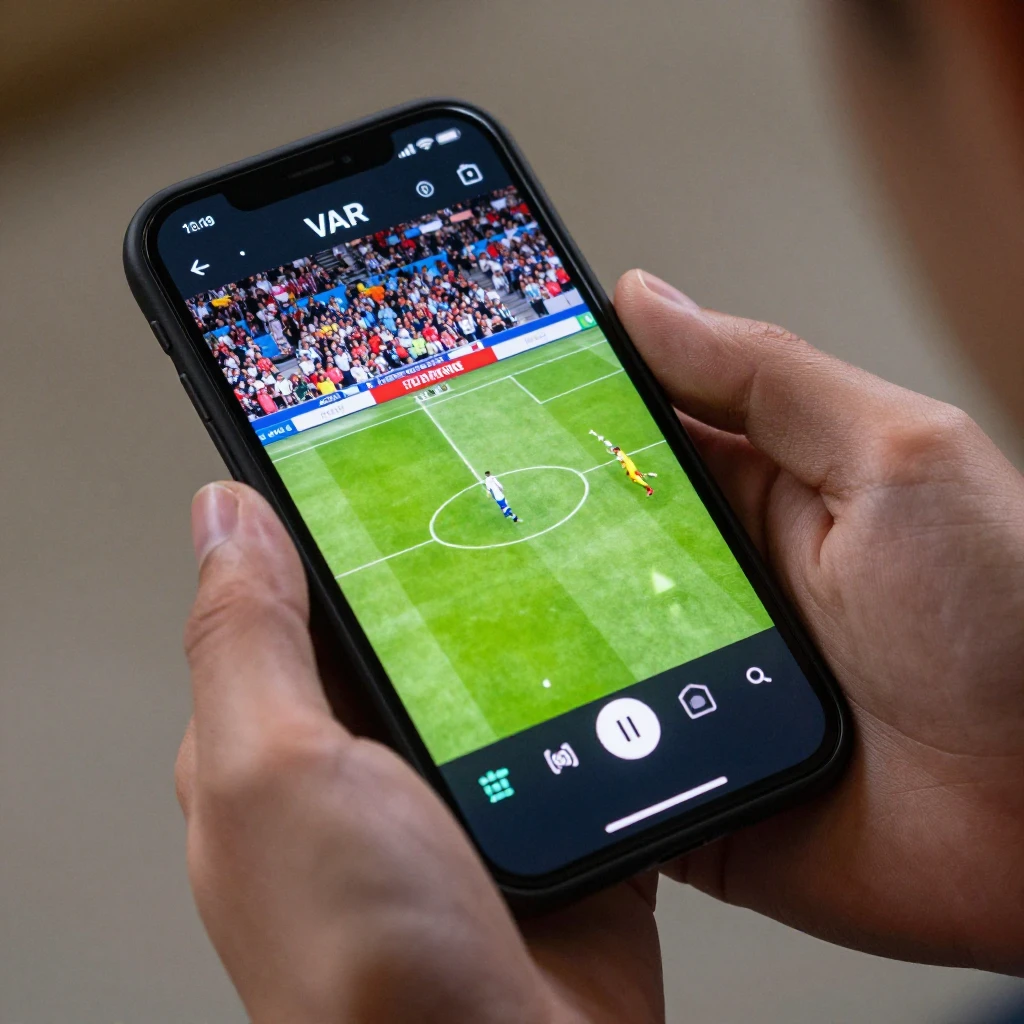
For digital viewers, concise explanations and consistent graphics can make a pause feel less confusing. Still, the broadcast is designed to show a compelling story, not to reveal every step in the VOR. Fans should treat replay packages as helpful evidence rather than a complete record of the review.
What VAR Means for Soccer Mobile Gaming
VAR gives soccer mobile games a recognizable way to represent modern match drama, including goal checks, offside calls, and disputed penalty decisions. Its value in a game depends on whether the feature adds meaningful context without making play feel slow or random.
A mobile game might show a brief review after a close goal, display an offside line, or let players see why a penalty was awarded. These moments can make a simulated match feel closer to real soccer, especially when a decision changes the score or momentum. They also teach players that refereeing involves both rules and judgment.
Designers face the same balance fans see in live matches. Detailed replays and decision explanations can improve authenticity, but frequent stoppages can frustrate someone playing a quick match on a phone. A useful implementation keeps reviews brief, reserves them for consequential incidents, and makes the decision understandable. In fast arcade modes, a simplified visual cue may work better than a full review sequence; in a simulation mode, more detail can suit the experience.
VAR also connects live soccer and mobile gaming through shared digital habits. Fans move between broadcasts, highlights, live-stat apps, and games, all of which frame a match as a stream of decisive moments. Games can borrow the tension of a review, but they should avoid implying that video makes every call perfectly objective. The real system is an aid for officials, not a guarantee of certainty.
VAR Questions Answered
VAR helps officials review specific high-impact incidents, but the referee on the field retains authority over the final decision. These quick answers clarify the system’s main limits.
Does VAR make the final decision?
No. The VAR can advise the referee and share footage, but the on-field referee makes the final decision. In some factual situations, the referee may rely on the VAR’s information without viewing the monitor.
Can VAR review every referee decision?
No. Reviews are limited to goals, penalty incidents, direct red cards, and mistaken identity involving a card. Routine calls such as most free kicks and throw-ins are not open to general VAR review.
Why do some reviews take longer than others?
Some incidents are clear from one angle, while others require officials to compare footage, establish the sequence of events, or judge a subjective detail. An offside check may need precise positioning; a possible foul may require assessing the nature and context of contact.
Does VAR replace the assistant referee?
No. Assistant referees still support the on-field referee, including with offside decisions and incidents near the touchline. VAR provides video assistance in defined situations and does not replace the officials working on the pitch.
VAR is best understood as a limited review tool within a larger officiating team. It can help correct certain major errors, while the referee remains responsible for managing the match and making the final call. That combination is why technology can reshape soccer without taking the human element out of the game.