Why Mobile Gaming Is Dominating the Sports Genre
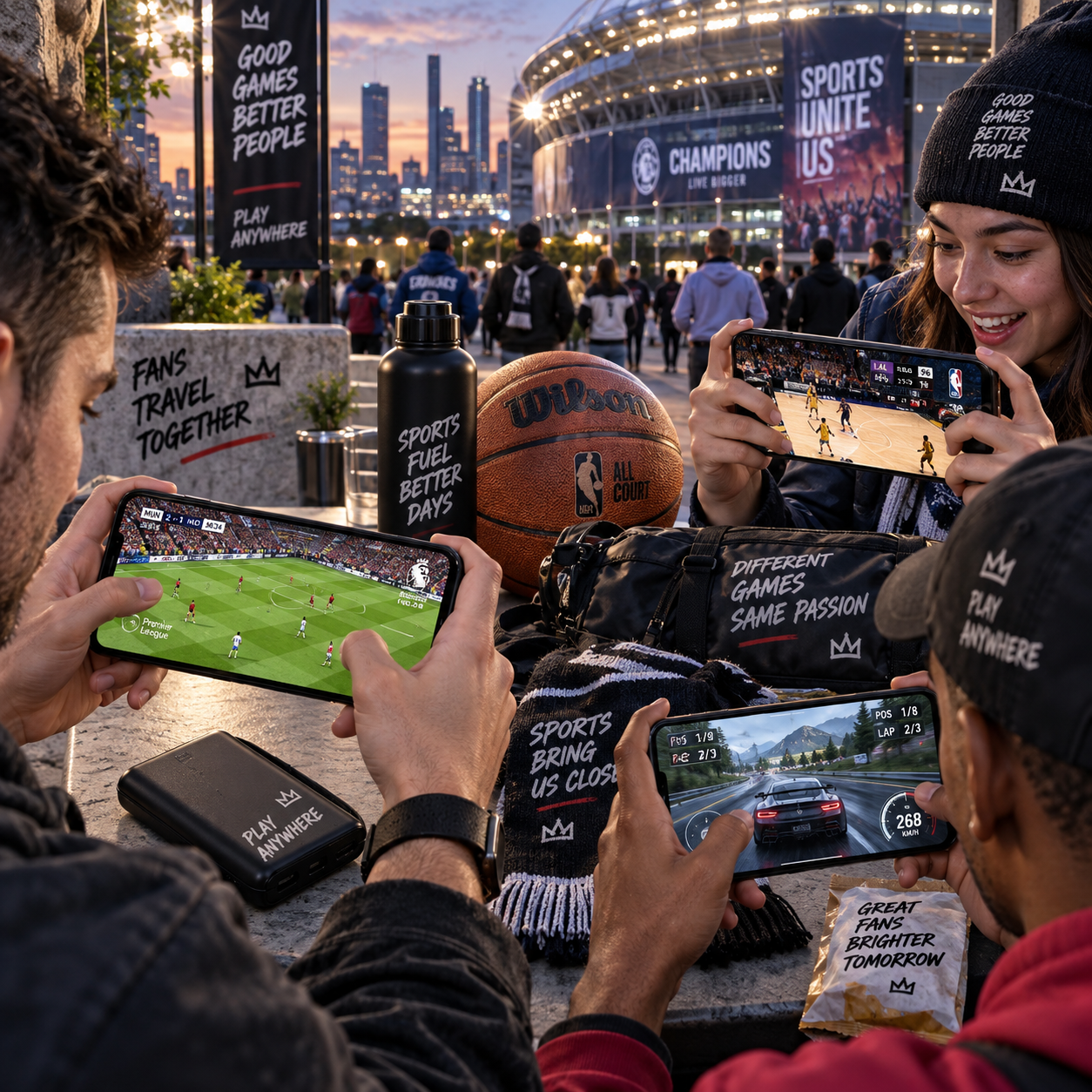
Mobile gaming is reshaping the sports genre. Smartphones and tablets now let players manage teams, compete in quick matches, follow real-world seasons, and challenge friends without sitting in front of a television or computer. The result is a sports-gaming audience built around convenience, social competition, and constantly changing content.
Console and PC games still offer advantages such as deeper controls, higher-end graphics, and more elaborate simulation systems. Mobile sports games are growing because they remove much of the friction between wanting to play and actually starting a match.
Mobile Sports Games Are More Accessible Than Ever
Mobile sports games are more accessible because most players already carry the required hardware in their pocket. A smartphone or tablet provides a low-barrier entry point, while free downloads and short tutorials make it easy to try a football, basketball, cricket, racing, or tennis title.
Traditional sports games often require a dedicated console, gaming PC, controller, television, and enough uninterrupted time to use them. Mobile games reduce that setup to an app, a touch interface, and a few available minutes. That difference matters for sports fans who may follow a team closely but do not consider themselves committed gamers.
Device variety also broadens the audience. A recent flagship phone may deliver advanced lighting and smooth frame rates, while an older mid-range handset can still run a simpler management game. Developers can offer adjustable graphics, download options, and scalable performance, although lower-end devices may experience longer loading times or reduced visual detail.
Sports franchises and licensing add another layer of familiarity. Recognizable clubs, athletes, leagues, kits, and stadiums help a new player understand the appeal immediately. Someone searching for a favorite team can find a direct connection to the sport they already watch.
Convenience Fits the Way People Play
Mobile sports games fit modern routines by supporting short sessions, portable access, and flexible progress. A player can complete a quick match during a commute, adjust a lineup during a lunch break, or finish a tournament round at home.
This session-based design suits the rhythm of mobile use. A full console match may demand 30 minutes or more, while a mobile title can divide its experience into possessions, races, innings, challenges, or management decisions. Quick matches are especially effective because they offer a clear beginning and end without requiring a large block of free time.
Notifications and cloud saves can also help players return where they left off. A manager might check injuries in the morning, make a transfer later, and play a competitive fixture in the evening. The flexibility feels closer to following a real sports season than completing a fixed campaign.
There are compromises. Touchscreen controls can feel less precise than a physical gamepad, and frequent notifications may become distracting. Competitive play also depends on battery life, screen size, and connection quality. Mobile convenience expands access, but it does not guarantee the best experience for every player or every sports game.
Free-to-Play Models Expand the Audience
Free-to-play models expand mobile sports audiences by letting people download and test a game before spending money. Optional in-app purchases can then support new content, licensed assets, cosmetic items, progression boosts, or competitive services.
The model lowers the first decision from “Should I buy this full-price game?” to “Is it worth trying this free app?” That change is significant for occasional players. A fan can explore a team-management mode or a quick-match system without committing to a large purchase.
Successful free-to-play sports games usually combine several content layers:
- Free core play: Basic matches, teams, or management features remain available without payment.
- Optional customization: Players may purchase kits, stadium themes, celebrations, or other cosmetic content.
- Progression systems: Cards, player development, seasons, and unlockable challenges encourage regular participation.
- Tiered events: Limited competitions give highly engaged players additional goals without requiring everyone to spend.
The trade-off is that monetization can affect pacing and fairness. Energy limits, aggressive advertising, expensive player packs, or pay-to-win mechanics may frustrate users. Clear pricing, meaningful free progression, and transparent odds are important if a sports game wants long-term trust rather than short-term spending.
Multiplayer and Social Features Increase Engagement
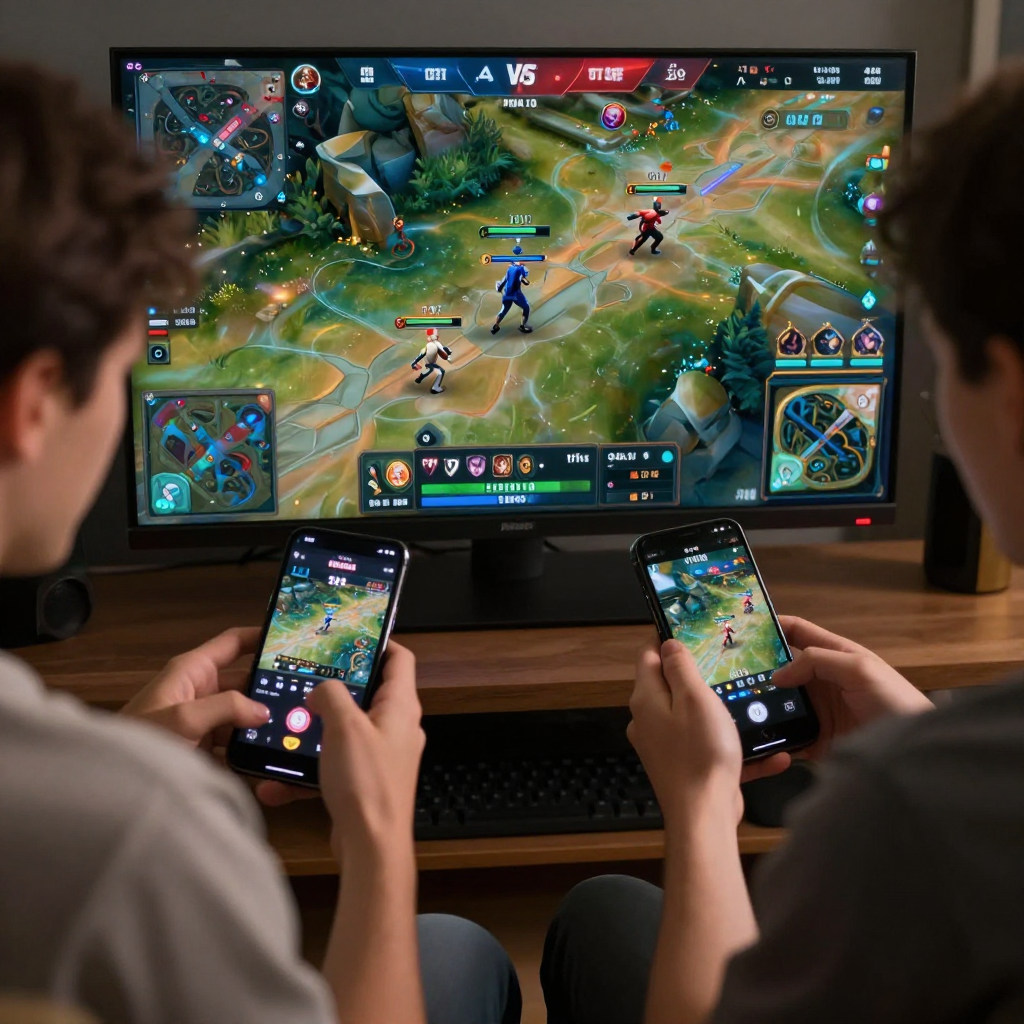
Multiplayer gaming makes mobile sports titles more engaging by turning individual matches into shared competition. Online head-to-head modes, leaderboards, clubs, friend challenges, and cooperative objectives give players reasons to return beyond a single-player campaign.
Social design works particularly well in sports because competition already has a natural structure. Players understand rankings, fixtures, rivalries, tournaments, and seasonal records. A mobile game can translate those ideas into a weekly ladder, a club-versus-club event, or a challenge based on a real-world fixture.
Different multiplayer formats serve different audiences:
- Real-time matches appeal to players who want direct skill-based competition.
- Asynchronous challenges let friends compete without being online at the same time.
- Clubs and leagues provide shared objectives and a stronger sense of belonging.
- Leaderboards create measurable goals for players who enjoy rankings and seasonal rewards.
Fair matchmaking is essential. A newcomer matched against an experienced player with a heavily upgraded squad may stop playing quickly. Connection stability matters too; lag can turn a close match into a frustrating one. The strongest mobile sports games treat social competition as a system requiring balance, moderation, and reliable servers.
Live Updates Keep Sports Games Relevant
Live-service updates keep mobile sports games relevant by connecting digital play with the changing real-world sports calendar. Seasonal content, roster changes, events, promotions, and licensed teams give players fresh reasons to return throughout the year.
A sports title can update player ratings after a strong performance, add a new kit before a major tournament, or launch a limited challenge around a championship final. These details create a feedback loop between watching sport and playing it. A real match becomes something to discuss, then something to recreate or respond to inside the game.
Licensing strengthens that connection, but it also increases costs and complexity. Official clubs, leagues, athlete likenesses, logos, and uniforms provide authenticity, while expired agreements or regional restrictions can lead to missing teams. Developers must balance the value of licensed content with the expense of maintaining it.
Live-service design also requires restraint. Too many overlapping events can make the game feel like a schedule of obligations. Good updates add meaningful choices rather than simply increasing the number of rewards, currencies, or tasks. Players should be able to understand what is new, why it matters, and how long it will remain available.
Better Technology Is Closing the Quality Gap
Better mobile hardware, faster networks, improved controls, and cloud gaming are narrowing the technical gap between mobile, console, and PC sports titles. Mobile devices now support detailed 3D environments, responsive animation, advanced physics, and online play that would have been difficult on older phones.
Modern processors and graphics hardware allow developers to create more convincing stadiums, crowds, lighting, and player movement. Faster Wi-Fi and 5G can reduce delay in online matches, although results still depend on coverage, network congestion, and the player’s location.
Control options are expanding as well. Touchscreen controls work well for taps, swipes, and simplified actions, while Bluetooth controllers, mobile triggers, and tablet displays offer more precision. Cloud gaming can stream demanding sports titles to compatible devices, but it relies heavily on stable bandwidth and low latency. It is an option, not a universal replacement for local hardware.
| Platform | Main strength | Main limitation |
|---|---|---|
| Mobile | Accessibility, portability, and frequent updates | Touch controls, battery limits, and variable performance |
| Console | Comfortable controls and consistent audiovisual quality | Higher entry cost and less portable play |
| PC | Customization, performance, and complex simulation | Hardware requirements and setup complexity |
Mobile gaming is therefore expanding the sports genre rather than completely replacing other platforms. A dedicated fan may use a console for a deep career mode, a PC for management tools, and a phone for quick matches or daily team decisions.
What the Future Holds for Mobile Sports Gaming
The future of mobile sports gaming will likely center on deeper social play, personalization, cross-platform access, and more careful monetization. Developers have room to improve realism and convenience, but the next stage will depend on how well they protect fairness and player trust.
More connected competition
Cross-platform play may allow mobile users to compete with console or PC players in selected modes. This approach could enlarge matchmaking pools, although developers would need to account for differences in controls, frame rates, and competitive balance. Cross-progression may be more practical in many cases, letting players move a team or account between compatible devices.
Smarter personalization
Player behavior can help games recommend suitable challenges, adjust tutorial difficulty, or present events based on favorite teams and play styles. Personalization should remain transparent and useful. If it becomes a tool for pressuring spending, it will damage the relationship it is supposed to improve.
More immersive mobile play
Improved haptics, accessories, spatial audio, augmented-reality features, and cloud gaming may make mobile sports experiences more expressive. These additions will appeal most when they improve decision-making or atmosphere rather than adding novelty for its own sake.
Esports and competitive play will also continue to influence design. Clear rules, spectator tools, anti-cheat systems, stable matchmaking, and accessible tournaments can help mobile sports games support serious competition alongside casual play.
Frequently Asked Questions About Mobile Sports Gaming
Mobile sports games are popular because they combine familiar real-world sports with accessible devices, short sessions, social competition, and regularly refreshed content.
Why are mobile sports games so popular?
They are easy to access, often free to download, and designed for flexible sessions. Licensed teams, live events, leaderboards, and multiplayer features connect digital play with the sports fans already follow.
Are mobile sports games free to play?
Many are free to download and play, but they may include advertising or in-app purchases. Costs vary, so players should check whether purchases affect cosmetics, convenience, progression, or competitive strength.
Can mobile sports games compete with console and PC titles?
They can compete in accessibility, portability, live updates, and audience reach. Consoles and PCs still tend to offer stronger controls, deeper simulations, and more consistent performance for players seeking a premium experience.
What features make a mobile sports game engaging?
Quick matches, responsive controls, balanced multiplayer, clubs, friend challenges, meaningful progression, seasonal events, and authentic sports licensing all help sustain engagement.
How will mobile sports gaming evolve in the future?
Expect more cross-platform features, cloud gaming support, personalized content, competitive events, improved accessories, and stronger debate about fair monetization and player protection.
Mobile gaming is dominating the sports genre because it meets players where they already are. Smartphones and tablets make entry simple, free-to-play systems reduce risk, multiplayer creates social energy, and live updates keep games tied to real sporting life. Console and PC experiences remain valuable, especially for depth and precision, but mobile sports games have changed the center of gravity by making participation easier, more frequent, and more connected.